
- Home/
- Buy Ventolin Inhaler in Online Pharmacy in the United States
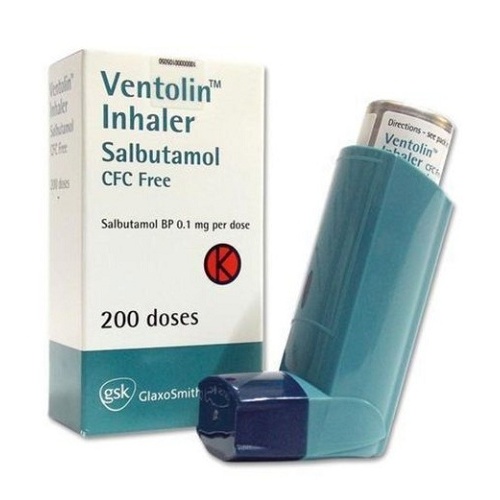
Why Ventolin Inhaler Matters When You Need to Breathe
The moment you reach for your inhaler is never theoretical. Maybe it’s the night your chest tightens before bed, or the first spring jog when your breath shortens faster than it should. For millions of Americans living with asthma, Ventolin Inhaler is the tool that stands between panic and relief—a blue device tucked in a backpack, purse, or jacket, ready for the unpredictable.
Rescue inhalers like Ventolin aren’t background medications; they step in when symptoms break through, offering fast, predictable help. That’s why for decades, physicians in United States have placed Ventolin at the center of emergency asthma relief. Its reputation isn’t just built on its pharmacology; it’s the experiences of those who, in the space of a few breaths, move from fear to control.
United States asthma guidelines emphasize that symptom rescue is not the same as disease control. The more a patient relies on Ventolin, the higher the risk that underlying inflammation is not adequately managed, raising the risk for severe attacks. This is the paradox: Ventolin is both the most familiar and the most misunderstood asthma medication. Its real value isn’t in making symptoms disappear—it’s in buying critical time while the broader plan is reassessed.
Stories from the clinic echo this reality. One patient, a college athlete, described her Ventolin as a “panic button.” Another, a middle-aged office worker, used it so often he thought twice-daily use was normal—until his doctor intervened and changed his treatment, reducing his dependence on rescue inhalers.
- Ventolin Inhaler is prescribed for sudden symptoms, not for prevention.
- Overusing it can mask the need for stronger, underlying anti-inflammatory treatment.
- In United States, every prescription is a moment to reassess: is this patient using Ventolin the way guidelines recommend?
Understanding Ventolin’s place in your asthma story is the foundation for safe, effective relief—and for knowing when it’s time to look deeper.
How Ventolin Inhaler Works in Real Time
Relief arrives within minutes. Salbutamol, the active ingredient in Ventolin Inhaler, is what’s known as a short-acting beta2 agonist (SABA). Its job: open narrowed airways fast by relaxing the smooth muscle lining your bronchial tubes. That’s why after two puffs, wheezing and chest tightness usually begin to ease in three to five minutes, with the effect peaking at 15–20 minutes and lasting up to four to six hours.
The speed and predictability of Ventolin is not just a technical detail; it’s the reason doctors in United States have used it for decades as the first-line option for acute symptom relief in asthma. The FDA approval is based on this reliable onset—and the fact that it works for the majority of patients, regardless of age, asthma severity, or background treatment.
- Short-Acting Beta2 Agonist (SABA)
- A class of medications that quickly relaxes airway muscles, making it easier to breathe during a flare-up.
Unlike controller inhalers, which take days or weeks to reduce inflammation, Ventolin’s action is immediate and directly tied to symptoms as they happen. It does not prevent future attacks or reduce swelling in the airways. This distinction is crucial: for sudden symptoms, nothing else works as quickly—but for long-term freedom from symptoms, something else is needed.
Experience shows that most patients feel the effect within a few minutes, but some with severe obstruction may notice a slower response. If relief does not occur after a standard dose (usually two puffs), it’s a signal to seek medical help—not to keep retrying the inhaler.
For parents, knowing that Ventolin has a similar rapid effect in children as in adults can be reassuring. However, dosing and technique must be adapted, especially in younger kids.
Choosing Ventolin: How It Compares to Other Asthma Inhalers
No two asthma action plans are identical. So when your doctor prescribes Ventolin, it’s usually for a reason: either you’ve responded well to it before, or another medication hasn’t offered the same predictability. Yet, patients often wonder: is Ventolin really better than its competitors? What’s the difference, clinically and practically?
| Attribute | Ventolin Inhaler (Salbutamol/Albuterol) | ProAir HFA (Albuterol) | Xopenex HFA (Levalbuterol) |
|---|---|---|---|
| Active Ingredient | Albuterol sulfate (Salbutamol) | Albuterol sulfate | Levalbuterol hydrochloride |
| Onset of Action | 3–5 minutes | 3–5 minutes | 3–7 minutes |
| Duration of Relief | 4–6 hours | 4–6 hours | 4–6 hours |
| FDA-Approved Uses | Asthma relief, exercise-induced bronchospasm | Asthma relief, exercise-induced bronchospasm | Asthma relief (mild-to-moderate), alternative for those with tremor/tachycardia from albuterol |
| Common Side Effects | Tremor, palpitations, headache | Tremor, palpitations, headache | Less tremor and tachycardia reported, but more expensive |
| Formulation | Metered-dose inhaler (MDI) | MDI, RespiClick (dry powder) | MDI |
| Generic Available | Yes | Yes | No (as of 2024) |
| Prescription Status (U.S.) | Prescription-only | Prescription-only | Prescription-only |
| Typical Cost (without insurance) | $30–$60 per inhaler | $30–$60 per inhaler | $50–$80 per inhaler |
| Insurance Coverage | Widely covered, low copay | Widely covered, low copay | Covered, higher copay for some plans |
| Notable Differences | Most established, familiar device | Similar to Ventolin, RespiClick may help some with coordination issues | Preferred for certain side effect sensitivity or if albuterol doesn’t suit |
For most patients, Ventolin and ProAir are clinically equivalent: both deliver albuterol, both act fast, both are affordable and widely available. Xopenex (levalbuterol) is sometimes chosen for patients who experience tremors or faster heart rate with standard albuterol—though the evidence for meaningful difference is limited and cost is higher.
As for brand versus generic, both are tightly regulated by the FDA in United States and must deliver the same dose, though some patients report minor differences in taste, device feel, or trigger force. These differences rarely affect clinical outcomes, but can influence personal preference and adherence.
Ultimately, the right rescue inhaler is the one you can use confidently and correctly at the moment you need it. Ventolin’s strengths: established track record, broad insurance coverage, and decades of patient experience in United States.
Making Ventolin Work: Getting the Most Relief Safely
Asthma doesn’t ask for permission before flaring up. When symptoms strike, timing, technique, and knowing when to escalate are all that separate a routine rescue from a dangerous crisis. Ventolin Inhaler’s effectiveness depends just as much on how you use it as what’s inside it.
- Act fast, but don’t panic. At the first sign of wheezing, chest tightness, or shortness of breath, use Ventolin as directed—usually two puffs, spaced about one minute apart.
- Use correct inhaler technique. In the clinic, poor technique remains the number one reason patients don’t get full benefit. Shake the inhaler, exhale fully, seal lips around the mouthpiece, press down once as you start to inhale slowly and deeply, hold your breath for 10 seconds, then exhale.
- Spacer devices can help. For anyone who struggles to coordinate pressing and inhaling at the same time—especially children and older adults—a spacer attachment can improve medication delivery to your lungs.
- Know your dosing limits. The usual maximum is two puffs up to every 4–6 hours, but if you need it more than twice a week (excluding exercise), your asthma is not well controlled.
- Monitor your response. Relief should occur within minutes. If not, or if symptoms return quickly, seek medical help immediately.
The beauty of Ventolin Inhaler is its simplicity. But with simplicity comes a hidden risk: it’s easy to ignore signs that your asthma is out of balance. Doctors across United States emphasize that every refill request is a checkpoint—if you’re running out sooner than expected, bring it up.
| Patient Age | Situation | Recommended Dose | Max Frequency |
|---|---|---|---|
| Adults & Teenagers (≥12 yrs) | Acute symptoms | 2 puffs by inhaler | Every 4–6 hours as needed |
| Children (4–11 yrs) | Acute symptoms | 1–2 puffs by inhaler | Every 4–6 hours as needed |
| All ages | Exercise-induced asthma | 2 puffs 15–30 min before activity | Do not repeat within 4 hours |
These are standard recommendations; individual plans may differ. Ventolin is not adjusted for weight, liver, or kidney function in most cases, but always follow your doctor’s instructions and ask if you ever have doubts.
Which Side Effects Matter Most with Ventolin Inhaler—and When to Act
No medication is completely free of side effects, but Ventolin’s reputation for safety isn’t just marketing—it’s earned. Most patients have no side effects or only mild, fleeting ones: a little tremor in the hands, a feeling of nervousness, or a brief racing of the heart.
But these aren’t just trivia; they’re important signals. In the real world, what patients notice most is not always what matters most. Jitters and palpitations, while annoying, are usually harmless and fade quickly. What deserves attention are side effects that persist, worsen, or appear suddenly and severely.
“What patients don’t expect is that overusing Ventolin—especially in a severe episode—can shake the balance of potassium in the blood, sometimes dangerously so. It’s rare, but it happens, and only when doses go far above recommended levels. If you find yourself needing an inhaler every few hours, that’s not just a side effect risk—it’s a medical emergency. Always let your doctor know if you’re using more than prescribed, or if you feel symptoms like muscle weakness, chest pain, or severe palpitations.”
- Common side effects: Mild hand tremor, feeling anxious, headache, rapid heartbeat.
- Less common: Muscle cramps, low potassium (with excessive use), chest discomfort.
- Rare but serious: Severe allergic reaction (swelling, hives, trouble breathing), arrhythmias, paradoxical bronchospasm (worsening shortness of breath right after inhalation).
| Side Effect | How Often? | When to Contact a Doctor |
|---|---|---|
| Hand tremor | Common (up to 20%) | If persistent, severe, or affecting daily tasks |
| Racing heartbeat | Common (10–15%) | If irregular, severe, or accompanied by chest pain or fainting |
| Muscle cramps | Uncommon (1–5%) | If severe, frequent, or with weakness |
| Low potassium (hypokalemia) | Rare (<1%, mainly with overuse) | If muscle weakness, cramping, or irregular heartbeat occurs |
| Paradoxical bronchospasm | Very rare (<0.1%) | Worsening breathing right after inhaler—call 911 or go to ER |
| Allergic reaction (anaphylaxis) | Very rare (<0.01%) | Swelling, hives, difficulty breathing—call 911 |
For patients in United States, the medical system is well-prepared for side effects—pharmacists are trained to check for drug interactions, and clinics actively monitor for unusual side effects in follow-up visits. Still, don’t wait for your next appointment if something feels wrong.
When Ventolin Inhaler Isn’t the Right Choice: Contraindications That Matter
- Severe allergy to albuterol or any ingredient in Ventolin. If you’ve ever had swelling, hives, or trouble breathing after using Ventolin or another albuterol product, do not use it again—seek an alternative.
- Serious heart conditions (arrhythmias, severe coronary disease). Ventolin may trigger palpitations or heart rhythm changes, especially in those with unstable or poorly controlled cardiac disease. Your doctor may suggest alternative rescue treatments or closer monitoring.
- Hyperthyroidism (overactive thyroid). Because salbutamol can increase heart rate and make tremors worse, those with untreated or severe hyperthyroidism should use it only if clearly needed and under close medical supervision.
- Uncontrolled high blood pressure. While rare, Ventolin can cause blood pressure spikes in sensitive individuals.
- History of paradoxical bronchospasm. If Ventolin has ever made your breathing worse immediately after inhalation, do not use it again until your doctor has evaluated your situation.
In United States, absolute contraindications will almost always be flagged at the pharmacy and in your electronic medical record. But you are your own best advocate—always mention any past reactions, heart problems, or unusual experiences with Ventolin to your doctor and pharmacist.
- Tell your doctor if you have any heart rhythm history or have felt worse after using a rescue inhaler.
- Do not share your Ventolin with others, even family or friends with asthma.
- Ask for an alternative if you’ve ever had a severe allergy to any inhaler ingredient.
Getting Ventolin Inhaler in the United States: Access, Price, and Practicalities
Even the best inhaler can’t help you if it isn’t there when you need it. In United States, Ventolin Inhaler requires a prescription from a licensed healthcare provider—usually your primary care physician, asthma specialist, or nurse practitioner. Unlike some cough or cold products, you cannot buy Ventolin or any true rescue inhaler over the counter.
Once prescribed, you can fill Ventolin at nearly any retail pharmacy, national chains, or independent stores. Most insurance plans—including Medicaid and Medicare—cover Ventolin and its generic equivalents, and copays are generally low ($10–$30) for a month’s supply. If you are uninsured, prices typically range from $30–$60 per inhaler, but prices can vary widely by pharmacy and region.
- Prior Authorization
- Some insurance plans require your doctor to confirm that Ventolin is medically necessary before covering it. This is rare for rescue inhalers but can occur with multiple fills in a short time.
Refill rules are straightforward: you can request a new inhaler as soon as your current one runs out or is about to expire (inhalers typically expire 12–24 months after dispensing). Many pharmacies in United States offer auto-refill programs, text reminders, or mail delivery—features patients find especially useful in busy lives.
Remember, Ventolin is a high-volume, essential medication in the U.S.—shortages are rare, and pharmacies keep it in stock. However, always check your supply before travel or allergy season. And if you’re ever told your prescription needs “insurance review,” don’t panic; it’s a paperwork step, not a judgment on your need.
Ventolin Inhaler: FAQ for Patients in United States
- How quickly should I feel relief after using Ventolin Inhaler?
- Most people notice easier breathing within 3–5 minutes, with full effect by 15–20 minutes. If you do not feel better after two doses or symptoms worsen, seek medical attention.
- Is it dangerous to use Ventolin Inhaler too often?
- Frequent use (more than twice a week, not counting exercise) can signal poorly controlled asthma and may increase the risk of side effects. Overuse also raises the risk of serious complications like low potassium or heart rhythm changes.
- What should I do if Ventolin doesn’t help my symptoms?
- If you do not feel better after two puffs or symptoms return quickly, this may indicate a severe asthma attack. Call your doctor or emergency services immediately—do not keep repeating doses without guidance.
- Can I use Ventolin Inhaler for allergies or other breathing problems?
- Ventolin is approved for asthma and exercise-induced bronchospasm. It may help for other obstructive airway diseases, but always check with your doctor before using it for anything outside your prescribed plan.
- What’s the difference between Ventolin and generic albuterol inhalers?
- Both contain the same active ingredient, are FDA-approved, and should offer equal relief. Minor differences may exist in inhaler feel, taste, or packaging, but effectiveness is equivalent for most patients.
- Does Ventolin interact with other medications?
- Ventolin can interact with certain heart medications (like beta-blockers), diuretics, or antidepressants. Always tell your doctor and pharmacist about all medicines and supplements you take.
- How do I know when my Ventolin Inhaler is empty?
- Most Ventolin inhalers have a dose counter. If yours does not, track each puff, as the inhaler may still “spray” even after the medicine runs out. Ask your pharmacist to show you how to check and track doses accurately.
- Can I travel with my Ventolin Inhaler?
- Yes. It’s recommended to carry it in its original packaging and keep it with you in your carry-on bag. Ventolin is legal throughout United States and does not require special travel documentation.
Sources / References
- U.S. Food and Drug Administration (FDA) – Drugs
- Centers for Disease Control and Prevention (CDC) – Asthma
- National Heart, Lung, and Blood Institute – Asthma
- Global Initiative for Asthma (GINA) Guidelines
- Mayo Clinic – Asthma Medications
- Ventolin HFA (albuterol sulfate) Inhalation Aerosol Prescribing Information, GlaxoSmithKline, 2023
- National Asthma Education and Prevention Program (NAEPP), Expert Panel Report 3: Guidelines for the Diagnosis and Management of Asthma, NIH, 2007
- Drugs.com – Ventolin Information