
- Home/
- Buy Seroquel Online in the United States – Fast and Easy Ordering
Can Seroquel Be Purchased Without a Prescription in United States?
Seroquel (quetiapine) is a prescription-only medication in the United States. It is not legally available over-the-counter or without a valid prescription from a licensed healthcare professional. Attempting to obtain or use Seroquel without a prescription is both unlawful and potentially dangerous.
Key Takeaways About Seroquel Use in United States
- Seroquel is primarily used to treat schizophrenia, bipolar disorder, and, in some cases, major depressive disorder.
- A valid prescription from a U.S. healthcare provider is required for all formulations, including generic quetiapine.
- Therapeutic effects may take several days to weeks to become noticeable; it is not an instant-acting medication.
- The most important safety concern is the risk of metabolic changes, sedation, and, rarely, severe adverse effects like neuroleptic malignant syndrome.
- Seroquel is not indicated for mild sleep problems or anxiety in the absence of a primary psychiatric diagnosis.
- Consult a doctor immediately if unusual movements, high fever, or sudden confusion develop during treatment.
How Does Seroquel (Quetiapine) Work in the Brain?
Seroquel’s active ingredient, quetiapine, is classified as an atypical antipsychotic. Its therapeutic action is rooted in complex interactions with multiple neurotransmitter receptors in the central nervous system. Primarily, quetiapine blocks dopamine D2 and serotonin 5-HT2A receptors. This dual antagonism is believed to underlie its antipsychotic and mood-stabilizing effects.
At lower doses, Seroquel also blocks histamine H1 and adrenergic α1 receptors, which explains its sedative properties and potential for lowering blood pressure. Notably, it has moderate affinity for muscarinic receptors, contributing to side effects like dry mouth and constipation.
In simplified terms: Imagine brain signals as messages. Seroquel acts like a gatekeeper, selectively blocking messages (dopamine and serotonin) that, when overactive, contribute to psychosis and mood swings. It also gently influences other signals, which is why it helps with sleep but may cause drowsiness and other side effects.
Current guidelines and studies highlight that quetiapine’s effectiveness in reducing psychotic and manic symptoms is linked to these receptor effects, but a full response may require sustained treatment and dose titration [FDA], [PubMed].
Recognizing Expectations vs Reality: Insights from Clinical Practice
In my experience, many patients assume that Seroquel will provide rapid relief of all symptoms—especially insomnia and anxiety—within hours or days. In reality, while some sedative effects can be felt quickly, improvements in core symptoms of schizophrenia, mania, or depression may take one to two weeks or longer. I often find that patients judge the medication’s success solely by its impact on sleep or agitation, missing out on the broader picture of mood stability and functional recovery. Questions patients rarely ask—but should—include how to recognize early warning signs of serious side effects, what to expect in terms of metabolic changes, and when to contact their physician for adjustments. One challenge is addressing the misconception that higher doses or faster dose increases will bring quicker results; in fact, this often increases risk without improving effectiveness. It’s critical for patients to set realistic expectations regarding both the time course and full range of possible effects.
How Should Seroquel Be Taken? Dosage, Timing, and Duration
Seroquel dosing is highly individualized and must always be determined by a physician. Standard initial doses depend on indication:
- Schizophrenia (adults): Usually started at 50 mg twice daily, titrated over several days up to 300–400 mg/day in divided doses. Some patients may require as much as 800 mg/day, but doses above this are not recommended.
- Bipolar mania: Initial dose is typically 100 mg on day 1, increased to 400 mg by day 4 in divided doses.
- Bipolar depression: Often started at 50 mg at bedtime, then increased to 300 mg at bedtime.
The maximum recommended daily dose for most adults is 800 mg. Exceeding this can lead to serious toxicity.
Dose adjustments are necessary for:
- Elderly patients: Lower starting doses and slower titration are required due to increased sensitivity.
- Renal or hepatic impairment: Dose reduction and close monitoring are essential.
Tablets should be swallowed whole and not split, chewed, or crushed (unless using the scored formulation and specifically instructed by your pharmacist or doctor).
Therapeutic effects—such as reduction in hallucinations, delusions, or mood swings—may begin within a week, but full benefits often take several weeks. Sedation can occur within hours of a dose, especially at low doses.
Pharmacokinetics of Seroquel: Metabolism and Duration
Seroquel is absorbed from the gastrointestinal tract, reaching peak plasma levels within 1.5 hours for immediate-release tablets and 6 hours for extended-release (XR) forms. It is extensively metabolized in the liver, mainly via the enzyme CYP3A4. The average elimination half-life is about 6 hours for immediate-release and up to 12 hours for XR formulations, which means the drug is largely cleared in about 1–2 days after stopping.
Elimination is primarily via urine (73%) and feces (20%) as inactive metabolites. Patients with significant liver impairment may experience increased drug exposure and require lower doses.
Compatibility Table: Seroquel and Other Common Substances
| Type of Product | Can it be Combined? | Consequences |
|---|---|---|
| Alcohol | NO | Increased sedation, risk of respiratory depression |
| Grapefruit juice | NO | Raises drug level, may increase side effects |
| SSRIs (e.g., sertraline) | Usually | Monitor for additive sedation |
| Antihypertensives | With caution | May enhance blood pressure lowering |
| Carbamazepine | NO | Reduces Seroquel effectiveness via CYP3A4 induction |
| Ketoconazole | NO | Raises quetiapine levels, risk of toxicity |
How Does Food, Alcohol, and Lifestyle Impact Seroquel?
- Food: High-fat meals may delay absorption but do not significantly affect the overall extent. Extended-release forms should be taken without food or with a light meal to avoid excessive sedation.
- Alcohol: Strictly contraindicated. Combining alcohol with Seroquel increases the risk of severe drowsiness, falls, respiratory depression, and impaired judgment.
- Grapefruit juice: Avoid completely. It inhibits CYP3A4, potentially increasing Seroquel levels and side effects.
- Other sedating medications: Use caution, as additive drowsiness and cognitive impairment are possible.
Regular exercise and a balanced diet are encouraged, as Seroquel can cause weight gain and metabolic changes.
Which Medical Conditions Make Seroquel Unsafe? Absolute and Relative Contraindications
- Absolute Contraindications:
-
- Known allergy (hypersensitivity) to quetiapine or any ingredient in the formulation.
- Concomitant use with strong CYP3A4 inhibitors/inducers (e.g., ketoconazole, carbamazepine).
- Current or previous neuroleptic malignant syndrome (NMS).
- Relative Contraindications (use with caution):
-
- Significant liver impairment (moderate to severe hepatic dysfunction).
- Cardiovascular disease: Seroquel may prolong the QT interval, increasing risk of arrhythmias, especially in those with known heart rhythm disorders or a family history of sudden cardiac death.
- Low white blood cell counts (leukopenia, neutropenia): risk of further suppression.
- History of seizures: Seroquel may lower seizure threshold.
- Diabetes or metabolic syndrome: risk of worsening blood sugar and lipid profiles.
- Elderly with dementia-related psychosis: increased risk of death; Seroquel is not approved for this indication in the U.S.
- Pregnancy and breastfeeding: Use only if benefits outweigh risks; consult a specialist.
After a heart attack or severe cardiac event: Seroquel should generally be avoided or used only under close specialist supervision after full cardiac stabilization and risk assessment.
Always inform your doctor of all medications and supplements you are taking to prevent interactions.
What Side Effects Are Most Common with Seroquel?
Side effects are classified by their frequency, according to World Health Organization (WHO) criteria:
- Very Common (>1 in 10): Drowsiness, dry mouth, dizziness, weight gain, increased appetite.
- Common (1 in 100 to 1 in 10): Orthostatic hypotension (drop in blood pressure when standing), constipation, indigestion, irritability, abnormal liver function tests, elevated cholesterol or triglycerides, restlessness, tremor, rapid heartbeat.
- Rare (<1 in 1000): Seizures, severe allergic reactions, jaundice, blood disorders (leukopenia, neutropenia), diabetes onset or worsening, sleep apnea, priapism (prolonged, painful erection in males), severe skin reactions.
- Very Rare (<1 in 10,000): Neuroleptic malignant syndrome (NMS—high fever, muscle rigidity, confusion, autonomic instability), severe arrhythmias, sudden vision loss (cataracts, lens changes).
Why do these occur? Sedation and weight gain are primarily due to histamine and serotonin receptor blockade. Metabolic changes stem from effects on glucose and lipid regulation. Movement disorders (tremor, rigidity) relate to dopamine blockade but are less frequent than with older antipsychotics.
Action for side effects: If you develop high fever, confusion, muscle stiffness, or new abnormal movements, contact your doctor immediately or go to the emergency room. For weight gain or metabolic changes, regular monitoring and lifestyle interventions are advised.
What Are the Most Common Patient Mistakes When Using Seroquel?
- Stopping medication abruptly without medical guidance: Can lead to severe withdrawal symptoms, return or worsening of psychiatric symptoms, and, rarely, acute withdrawal syndromes. Always taper as advised.
- Using Seroquel solely as a sleep aid: Some patients request or use low-dose Seroquel for insomnia without addressing the underlying psychiatric condition. This can expose them to unnecessary risks without clear benefit.
- Taking with alcohol or recreational drugs: Potentiates sedation, impairs judgment, and increases risk of dangerous side effects.
- Skipping monitoring visits: Seroquel requires regular check-ups for weight, blood pressure, blood sugar, and lipids. Failure to attend can delay detection of serious complications.
- Ignoring new symptoms: Not reporting signs like jaundice, unexplained bruising, fever, or severe muscle stiffness can delay life-saving intervention.
- Combining with over-the-counter medications or supplements without consulting a doctor: Some interactions can increase toxicity or reduce efficacy. Always check before adding new products.
How to avoid these mistakes: Maintain regular follow-ups, adhere to your doctor’s instructions, and report all new symptoms or medication changes promptly.
How Does Seroquel Compare With Similar Medications?
Below is a comparison of Seroquel with two other commonly prescribed atypical antipsychotics available in the United States: Risperidone (Risperdal) and Olanzapine (Zyprexa).
| Criteria | Seroquel (Quetiapine) | Risperidone (Risperdal) | Olanzapine (Zyprexa) |
|---|---|---|---|
| Onset of Action | 2–7 days for initial effects | 1–3 days for agitation; 1–2 weeks for full effect | 1–3 days for agitation; 1–2 weeks for full effect |
| Duration of Action | Immediate-release: 6–8 hrs; XR: up to 24 hrs | 20–24 hrs | 20–54 hrs |
| Most Notable Side Effects | Sedation, weight gain, metabolic changes | Movement disorders, prolactin increase | Significant weight gain, metabolic changes, sedation |
| Typical Price Range (per tablet, 2026 USD) | $0.30–$4.00 (generic); $5–$15 (brand) | $0.40–$3.50 (generic); $8–$18 (brand) | $0.70–$5.00 (generic); $10–$22 (brand) |
| Special Considerations | Lower risk of movement disorders; requires metabolic monitoring | Greater risk of movement side effects | Higher risk of weight gain and diabetes |
Prices may vary by pharmacy and insurance coverage. All require a valid prescription in the United States.
Doctor Answers: Questions Patients Often Ask About Seroquel Therapy
- How will I know if Seroquel is working for me?
- Progress is best measured by improvements in daily functioning, reduction in psychotic or mood symptoms, and feedback from people close to you. Significant changes often take a few weeks. Regular visits help us track your response objectively.
- Are the metabolic side effects inevitable, and what can I do to minimize them?
- Not everyone experiences significant weight gain or blood sugar changes, but they are a known risk. Healthy eating, regular physical activity, and periodic lab checks are important. Sometimes, we adjust the dose or switch medications if side effects are troublesome.
- Can I ever stop Seroquel if I feel better?
- Stopping should only be done under medical supervision. Even if you feel well, psychiatric conditions can return if medication is stopped too suddenly. We’ll discuss the safest approach based on your diagnosis and history.
- What should I do if I miss a dose?
- If you remember within a few hours, take your missed dose. Otherwise, skip it and resume your usual schedule—do not double the next dose. If missed doses become frequent, let me know so we can address adherence issues together.
- Are there warning signs I should watch for that require immediate attention?
- High fever, muscle stiffness, confusion, difficulty breathing, irregular heartbeat, or jaundice require prompt medical evaluation. These symptoms are rare but can be serious.
- Can I drive or operate machinery while on Seroquel?
- Many people experience drowsiness, especially when starting or increasing the dose. Do not drive or use heavy machinery until you know how Seroquel affects your alertness.
- If I plan to become pregnant, what should I consider?
- It’s essential to discuss this beforehand. We may need to adjust your treatment or consider alternative therapies during pregnancy and breastfeeding.
Seroquel Reference Table: Technical Specifications
| Parameter | Value |
|---|---|
| Active ingredient | Quetiapine fumarate |
| Available strengths | 25 mg, 50 mg, 100 mg, 200 mg, 300 mg, 400 mg |
| Formulations | Immediate-release and extended-release (XR) tablets |
| Peak effect | 1.5 hours (IR); 6 hours (XR) |
| Half-life (T1/2) | ~6 hours (IR); up to 12 hours (XR) |
| Storage | Store at room temperature, protect from moisture |
| Manufacturer (brand) | AstraZeneca; generics by multiple companies |
Step-by-Step: How to Obtain Seroquel in United States
- Schedule a Consultation: Contact a qualified psychiatrist or other licensed mental health provider. Telehealth appointments are widely available in most states.
- Assessment and Diagnosis: The provider will conduct a full assessment to determine whether Seroquel is appropriate for your specific condition (e.g., schizophrenia, bipolar disorder, depression).
- Prescription Issuance: If indicated, the provider will send a prescription electronically to your chosen pharmacy.
- Pharmacy Fulfillment: Fill your prescription at a licensed U.S. pharmacy or a verified online/mail-order pharmacy. Insurance coverage depends on your plan; generics are usually covered.
- Ongoing Monitoring: Regular follow-up appointments are necessary to assess effectiveness, adjust the dose, and monitor for side effects.
Note: U.S. pharmacies cannot dispense Seroquel without a valid prescription. Buying from unverified online sources is illegal and risky.
How Can I Safely Identify Legitimate Online Pharmacies in United States?
In the U.S., legitimate online pharmacies are regulated by the FDA’s BeSafeRx program and accredited by the National Association of Boards of Pharmacy (NABP). Key safety steps:
- Check for “.pharmacy” domain and NABP accreditation.
- Require a valid prescription: Legitimate pharmacies always request a doctor’s prescription.
- Are located in the United States: U.S.-based contact information must be provided.
- Avoid sites offering Seroquel without prescription or at extremely low prices. These are often illegal and sell counterfeit or unsafe medicines.
For more guidance, see the FDA’s BeSafeRx resource.
How to Spot Counterfeit Seroquel and Understand Generics
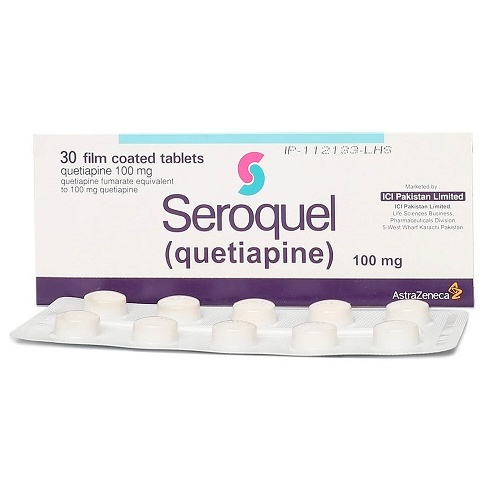
Original Seroquel comes in blister packs or bottles with clear labeling, batch number, and expiration date. Tablets are usually film-coated, round or oblong, embossed with dosage. Packaging should include a U.S. National Drug Code (NDC), QR code, or holographic seal, depending on manufacturer and batch.
- If the price seems “too good to be true,” it often is—be wary of “grey market” imports.
- Counterfeits may have spelling errors, poor print quality, or tablets that differ in size, shape, or color from standard U.S. products.
What are generics? Generic quetiapine contains the same active ingredient, strength, and efficacy as brand-name Seroquel but may use different inactive ingredients (excipients), which are rarely but occasionally linked to allergies or tolerability issues.
Advantages of generics: Lower cost, same therapeutic effect if approved by the FDA. Generics must meet stringent U.S. quality standards.
Quality Check: What Should Authentic Seroquel Look Like?
- Tablet color, shape, and imprint should match manufacturer’s official description (see the pharmacy’s information sheet or manufacturer’s website).
- Packaging includes batch number, expiration date, and U.S. NDC.
- Look for anti-tampering seals or QR codes on brand-name boxes.
- When in doubt, consult your pharmacist for verification.
What Should I Do If I Take Too Much Seroquel?
- Stop taking the medication immediately.
- Call U.S. emergency services (911) or go to the nearest emergency room.
- Provide the medical team with accurate information about the dose, time of ingestion, and any other substances taken.
- Monitor for signs of overdose: severe drowsiness, rapid or irregular heartbeat, fainting, seizures, fever, or confusion. Bring the medication packaging if possible.
Who Should Use Extra Caution with Seroquel? Specific Patient Populations and Lifestyle Considerations
- Older adults: Higher risk of sedation, falls, and metabolic complications. Not approved for dementia-related psychosis.
- Liver impairment: Dose reductions and more frequent monitoring are necessary.
- Cardiovascular disease: Risk of arrhythmias and sudden cardiac events is increased; baseline EKG may be needed before starting.
- Drivers and machine operators: Seroquel may impair alertness; avoid these activities until you know your individual response.
- Fertility and family planning: There is limited evidence of direct effects on fertility, but it can affect hormone levels. Discuss pregnancy intentions with your provider.
Myth vs Reality: Seroquel Treatment Insights
- Myth: Seroquel works instantly for all symptoms. Reality: While sedation can occur quickly, improvement in mood or psychotic symptoms often takes days to weeks.
- Myth: Seroquel can be used casually for sleep. Reality: Using Seroquel off-label for insomnia carries risks and should only be considered under specialist supervision.
- Myth: All antipsychotics have the same side effect profile. Reality: Each has unique risks and benefits; Seroquel is less likely to cause movement disorders but more likely to cause sedation and metabolic changes.
Psychological Support: You’re Not Alone
Mental health challenges like schizophrenia and bipolar disorder are common and manageable. Many individuals benefit from a combination of medication, therapy, and social support. If you’re struggling, consider reaching out to a mental health specialist or support group—seeking help is a sign of strength and self-care.
Professional Clinical Assessment: When Is Seroquel the Right Choice?
From a clinical perspective, Seroquel (quetiapine) is most beneficial for adults with schizophrenia or bipolar disorder—particularly when sedation is needed, or when patients have not tolerated or responded to other antipsychotics. It can be effective for managing acute mania, depressive episodes in bipolar disorder, and adjunctive treatment of major depressive disorder. Those with a history of extrapyramidal symptoms or movement disorders on other antipsychotics may do better on Seroquel, given its lower risk in this area. In contrast, it is less suitable for patients with severe obesity, poorly controlled diabetes, or a strong personal or family history of cardiac arrhythmias. Patients with a high risk of nonadherence, substance misuse, or who are pregnant require careful individualized evaluation and shared decision-making. If metabolic or sedative side effects become pronounced, alternatives such as aripiprazole or ziprasidone may be preferable. Ultimately, the choice of antipsychotic should be individualized, balancing clinical efficacy, patient preference, tolerability, and long-term safety.
Frequently Asked Questions About Seroquel in United States
- What conditions is Seroquel approved to treat?
- Seroquel is FDA-approved for schizophrenia, bipolar disorder (mania and depression), and as an adjunct for major depressive disorder in adults. It may be used off-label for other psychiatric conditions, but only under close supervision.
- Do I need a prescription to obtain Seroquel in the United States?
- Yes. Seroquel is a prescription-only medication and cannot be purchased legally without a valid prescription from a licensed U.S. healthcare provider.
- How quickly does Seroquel start to work?
- Sedation may be noticeable within hours of the first dose. Improvement in psychotic symptoms or mood usually starts within several days, but full effects can take 1–2 weeks or longer.
- Is generic quetiapine as effective as brand-name Seroquel?
- Yes. FDA-approved generics are therapeutically equivalent to brand-name Seroquel and must meet the same quality standards.
- What are the most common side effects?
- Drowsiness, dry mouth, dizziness, weight gain, increased appetite, and possible metabolic changes (increased cholesterol, blood sugar).
- Can I drink alcohol while taking Seroquel?
- No. Alcohol increases the risk of severe sedation, poor coordination, and dangerous side effects when combined with Seroquel.
- What should I do if I miss a dose?
- Take it as soon as you remember, unless it’s close to the next dose. Never double up. Contact your provider if you miss multiple doses.
- How much does Seroquel cost in United States?
- Generic quetiapine costs range from $0.30 to $4 per tablet, depending on dose and pharmacy. Brand-name Seroquel typically costs $5–$15 per tablet, but insurance may cover most of the expense.
- How long is it safe to take Seroquel?
- Seroquel can be used long-term under regular medical supervision. Your doctor will monitor for side effects and adjust treatment as needed.
- What are the signs of overdose?
- Severe drowsiness, rapid heart rate, confusion, fainting, or seizures. If overdose is suspected, seek emergency help immediately.
References
- U.S. Food and Drug Administration (FDA). Drugs@FDA: Seroquel (quetiapine) – Full Prescribing Information. Accessed 2026. https://www.accessdata.fda.gov/scripts/cder/daf/index.cfm?event=overview.process&ApplNo=020639
- National Institutes of Health. MedlinePlus: Quetiapine (Oral Route). Accessed 2026. https://medlineplus.gov/druginfo/meds/a698019.html
- Mayo Clinic. Quetiapine (Oral Route) Side Effects. Accessed 2026. https://www.mayoclinic.org/drugs-supplements/quetiapine-oral-route/side-effects/drg-20066912
- PubMed. Comparative efficacy and tolerability of antipsychotics in schizophrenia: a systematic review and network meta-analysis. Accessed 2026. https://pubmed.ncbi.nlm.nih.gov/35315594/
- National Association of Boards of Pharmacy (NABP). Safe Pharmacy. Accessed 2026. https://safe.pharmacy
- FDA BeSafeRx. Your Source for Online Pharmacy Information. Accessed 2026. https://www.fda.gov/drugs/besaferx-your-source-online-pharmacy-information