
- Home/
- Buy Rybelsus Without Prescription in the United States Online
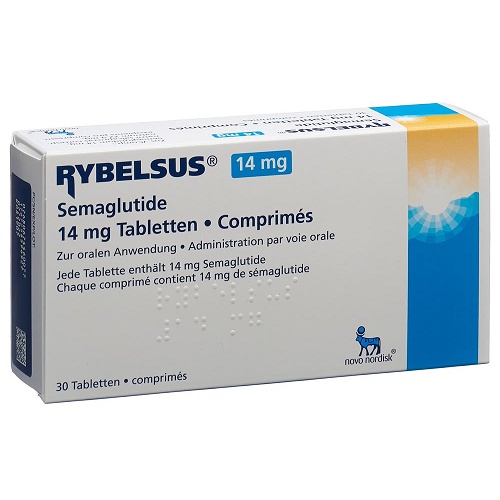
Rybelsus is an oral prescription medication for adults with type 2 diabetes who need better blood sugar control. It contains semaglutide, a GLP-1 receptor agonist that helps lower blood sugar and, for many, supports weight loss. Before considering Rybelsus, know this: the way you take it—and the expectations you set—shape your experience far more than with most diabetes pills. This is not simply another tablet.
That Rybelsus Moment: Why Patients in the U.S. Are Asking About This Pill
The moment usually happens in the exam room—not in a pharmacy aisle, not on a website. A patient with type 2 diabetes, frustrated with their numbers or alarmed by the slow creep of weight and fatigue, hears about a new “pill like Ozempic.” They’ve seen ads, a neighbor is using it, or maybe their doctor is the first to mention it. It’s not insulin. It’s not another metformin add-on. It’s Rybelsus, and it’s suddenly the center of a conversation that feels urgent but also confusing.
People in the United States have grown accustomed to diabetes drugs as either oral (pills) or injectable. Rybelsus is the first GLP-1 medication in tablet form, with semaglutide as its active ingredient—an agent better known until recently as the injection Ozempic. The promise: significant blood sugar reduction, potential weight loss, and a weekly injectable’s power—now in a daily pill. But a new format creates new questions. Does it work as well? Does insurance pay for it? Is it safer? Does it fit my real life?
- “Can I really switch from injections to a pill and get the same effect?”
- “Will this help me lose weight like Ozempic?”
- “What are the side effects—and are they different from injectable semaglutide?”
- “How do I get my insurance to cover it?”
- “What’s the catch?”
The catch, from the start, is that Rybelsus is not just another diabetes pill. If you approach it like metformin or glipizide—swallow and forget—you’ll be frustrated, maybe even disappointed. The way you take it, the timing, and the expectations you bring shape the outcome as much as the molecule inside.
What Makes Rybelsus Different—And When That Matters
For decades, oral diabetes drugs in the U.S. all worked by squeezing more insulin out of the pancreas, increasing insulin sensitivity, or slowing carbohydrate absorption. Then came GLP-1 receptor agonists: drugs that mimic the hormone incretin, improving insulin release when it’s actually needed and reducing appetite. Semaglutide, the active ingredient in Rybelsus, is the most potent of this class—until now, always given by injection.
- GLP-1 receptor agonist
- A medicine that mimics a natural gut hormone, signaling the pancreas to release insulin only when blood sugar is high, and slowing digestion to help control appetite and blood sugar spikes.
If you’ve tried metformin or a sulfonylurea, you know their rhythm—easy to take but sometimes hard on the stomach (metformin) or prone to causing low blood sugar (sulfonylureas). Rybelsus brings a new pattern: it’s gentler on low blood sugar risk, can promote real weight loss (not just stop gain), and often lowers A1C more than older drugs. But these benefits come with non-obvious trade-offs—adherence, cost, and gastrointestinal side effects that turn on how you take the pill, not just what’s inside it.
Semaglutide’s action also appears to have cardiovascular benefits in higher-risk patients—a fact that may tilt the balance versus older oral agents for some. But unlike injectables, Rybelsus’s absorption is more variable, and its impact on weight and blood sugar depends powerfully on how well you follow the unique dosing rules. That is where most patients misjudge it—and where the difference from “just another pill” matters most.
Living with Rybelsus: How It Changes Daily Life (and What Surprises Most Patients)
The promise of Rybelsus—real control without needles—carries a silent challenge: can you adjust your morning routine to fit its unique demands? No other diabetes medication in the U.S. asks this much discipline for a pill. Rybelsus must be taken first thing after waking, on an empty stomach, with no more than 4 ounces of plain water, and followed by 30 minutes of nothing—no coffee, no food, no other medications.
- Most patients underestimate how disruptive this can be, especially for those who rely on a quick breakfast, a morning coffee, or medications that must be spaced apart.
- Gastrointestinal effects—nausea, stomach pain, decreased appetite—are common, but tend to diminish over the first few weeks.
- Weight loss is possible, sometimes dramatic, but not everyone sees the same effect. It is more common in those who can maintain the dosing discipline.
- Blood sugar improvement is not always immediate, and may plateau after several months—occasionally requiring a dose increase (from 3mg to 7mg, or 14mg).
Many patients expect Rybelsus to “work like Ozempic in a pill.” But in practice, the results are less predictable. The oral form delivers less consistent absorption compared to injections, and some patients don’t get the same degree of weight loss or blood sugar lowering. For most, the process is trial and error—and it’s only after a month or two that the real pattern emerges.
Summary: The biggest surprise for new Rybelsus users is how much their morning habits must change. Those who build a new routine—waiting to eat, planning other meds—see the best results and fewest side effects.
Which Side Effects Matter Most with Rybelsus—and When to Act
Nausea and decreased appetite are not just “possible” with Rybelsus—they are close to expected, especially in the first weeks. Most people adjust, but a minority find the symptoms unlivable. The risk of low blood sugar is very low unless Rybelsus is combined with other insulin secretagogues (like sulfonylureas or insulin itself). Rare but serious risks—such as pancreatitis and a possible increased risk of thyroid C-cell tumors—are flagged in U.S. labeling, but remain uncommon in clinical experience.
There’s also the possibility of rare but serious reactions: severe abdominal pain (a possible sign of pancreatitis), persistent vomiting, or symptoms of an allergic reaction. The U.S. FDA requires a boxed warning regarding a potential risk of thyroid C-cell tumors, based largely on animal studies—no such cases have been reported in humans with Rybelsus, but the warning stands.
- Nausea, vomiting, diarrhea—common, usually mild, but may warrant a dose reduction or pause if persistent
- Loss of appetite—can be beneficial for weight loss, but sometimes causes unintended excessive weight loss or malnutrition in rare cases
- Severe abdominal pain—rare, but may signal pancreatitis; immediate medical attention needed
- Symptoms of low blood sugar—only if combined with insulin or sulfonylureas; otherwise, rare
- Thyroid nodule or neck swelling—uncommon, but report promptly to your healthcare provider
| Side Effect | How Common | When to Contact Your Doctor |
|---|---|---|
| Nausea | Up to 20% | If persistent or prevents eating/drinking |
| Vomiting | ~9% | If severe, frequent, or with dehydration |
| Diarrhea | ~14% | If lasts >2 days or causes dehydration |
| Stomach pain | ~11% | If severe or associated with vomiting |
| Low blood sugar | Rare (unless with insulin/sulfonylurea) | If you notice sweating, confusion, shakiness |
| Pancreatitis (inflammation of the pancreas) | Rare | New, severe, persistent abdominal pain: seek care immediately |
| Allergic reaction (rash, swelling, trouble breathing) | Rare | Immediate medical attention |
| Possible thyroid tumor | Very rare; based on animal data | Lump in neck, hoarseness, difficulty swallowing: report promptly |
The practical bottom line: most people experience some stomach upset at the start, but severe reactions are rare. If you feel unable to eat or drink, develop severe pain, or notice anything rapidly worsening, don’t wait—contact your doctor.
The Doctor’s Perspective: What Experience Reveals That Trials Don’t
“In the real world, what determines success with Rybelsus isn’t just the molecule—it’s the patient’s willingness to adapt their morning habits. I see patients who respond beautifully, with meaningful weight loss and excellent blood sugar control. But if someone can’t manage the 30-minute fasting window, or if their lifestyle doesn’t allow it, they’re often disappointed. Many expect Rybelsus to duplicate Ozempic’s results immediately, but forget that the oral form is absorbed less predictably. My advice: Give it a fair trial, be disciplined with timing, and if side effects are troublesome, talk to your doctor about dose adjustments. It shouldn’t be a battle every morning.”
What emerges in practice, but not always in the studies, is how personal the Rybelsus experience can be. Patient selection matters. Those who already have structured routines—early risers, people who can wait for breakfast—do best. For others, a weekly injectable or a different oral agent may fit better. The key is not to struggle in silence: doctors can help tailor the dose or swap the medication if the fit isn’t right.
Rybelsus vs. Ozempic, Jardiance, and Metformin: The Real-World Differences
Rybelsus is not your only option. In fact, many in the United States with type 2 diabetes are offered a menu: metformin (the old standby), SGLT2 inhibitors like Jardiance, DPP-4 inhibitors, injectable GLP-1s like Ozempic, and more. Each has its own rhythm, risks, and benefits. What distinguishes Rybelsus is its place as the only oral semaglutide—a bridge between pills and injectables, with a profile that splits the difference.
| Attribute | Rybelsus (semaglutide, oral) | Ozempic (semaglutide, injectable) | Jardiance (empagliflozin, oral) | Metformin (oral) |
|---|---|---|---|---|
| Mechanism | GLP-1 agonist | GLP-1 agonist | SGLT2 inhibitor | Biguanide (insulin sensitizer) |
| How taken | Oral tablet, daily, fasting only | Weekly injection | Oral tablet, daily | Oral tablet, daily (with food) |
| A1C reduction (average) | 1.0-1.5% | 1.2-1.8% | 0.7-0.9% | 1.0-1.5% |
| Weight loss effect | Yes, moderate | Yes, often greater | Neutral to mild loss | Neutral to mild loss |
| Cardiovascular benefit | Some evidence; not primary indication | Yes (FDA-approved for CV risk reduction) | Yes (FDA-approved for CV risk reduction) | No |
| Low blood sugar risk | Low (unless with insulin or sulfonylureas) | Low (unless with insulin or sulfonylureas) | Low | Low |
| Common side effects | Nausea, GI upset, decreased appetite | Nausea, GI upset, decreased appetite | Urinary tract infections, dehydration | GI upset (diarrhea, nausea) |
| Prescription required | Yes | Yes | Yes | Yes |
| Typical cost (U.S., before insurance) | High ($800-$900/month) | High ($900-$1000/month) | High ($500/month) | Low (generic, <$20/month) |
| Insurance coverage | Variable, often requires prior authorization | Variable, often requires prior authorization | Variable | Widely covered |
Here’s what these differences mean for you: If you want the power of a GLP-1 but can’t tolerate injections, Rybelsus is your only oral option. But the daily fasting requirement is a higher burden than with any other pill. Ozempic (injectable semaglutide) delivers more consistent results, especially for weight loss. Jardiance offers heart and kidney protection but less A1C reduction and weight loss. Metformin remains first-line for cost, coverage, and side effect profile—but often isn’t enough on its own. Insurance and cost are not details; they’re deal-breakers for many. Coverage is improving, but prior authorization is the rule, not the exception. If you’re considering Rybelsus, expect paperwork, phone calls, and possible initial denials from your insurer. Persistence pays off, but it’s a real part of the journey.
Taking Rybelsus Correctly: Why the Details Matter More Than You’d Think
- Take exactly as prescribed—usually once daily, first thing in the morning.
- Swallow with no more than 4 ounces (about half a cup) of plain water.
- Wait at least 30 minutes before eating, drinking, or taking other oral medications.
- Do not split, crush, or chew the tablet.
- Try to take it at the same time each day.
In the U.S., this regimen frustrates even highly motivated patients—especially those who take other essential morning meds (like thyroid hormone, blood pressure pills, or antidepressants). Some patients ask, “Can I just take everything together and hope for the best?” The answer: you can, but you’ll almost certainly get less benefit from Rybelsus, and more side effects. The strict absorption window is not negotiable—the medication’s effect drops dramatically when mixed with food, other pills, or even coffee.
Missed a dose? If you remember later that day, skip it and resume the next morning. Doubling up is not recommended. If you miss several days, side effects may return when restarting. Always ask your provider before re-initiating at a higher dose if you’ve had a significant interruption.
| Starting Dose | Duration | Next Dose (if needed) | Maximum Dose |
|---|---|---|---|
| 3 mg daily | First 30 days | Increase to 7 mg daily | 14 mg daily |
| 7 mg daily | At least 30 days | Increase to 14 mg daily if needed | 14 mg daily |
The 3 mg dose is for starting only—it is not effective for ongoing blood sugar control. Most patients will move to 7 mg after a month; some advance to 14 mg if needed. Never adjust the dose on your own. U.S. guidelines recommend discussing every change with your prescriber.
Getting Rybelsus in the U.S.: Prescription, Cost, Insurance, and Pharmacy Tips
In the United States, Rybelsus is prescription-only—no over-the-counter or online “self-pay” options are legal or safe. U.S. pharmacies stock Rybelsus, but its price before insurance is high: typically $800–$900 per month. The manufacturer offers savings programs, but eligibility often depends on your insurance type and income.
- Most commercial insurance plans cover Rybelsus, but prior authorization is common. Your provider will likely need to document why Rybelsus is necessary (for example, failed or intolerant to other therapies).
- Medicare Part D plans may cover Rybelsus, but coverage varies and out-of-pocket costs can be substantial.
- Medicaid coverage is variable by state; many states require extra paperwork or documentation.
- Patient assistance programs exist (via the manufacturer), but approval is not guaranteed and requires documentation.
If your pharmacy says Rybelsus is “not covered,” don’t accept this as the last word. Ask your prescriber about a prior authorization or an appeal—many approvals are granted after persistent follow-up. Sometimes, switching to Ozempic (if you’re open to injections) or an SGLT2 inhibitor is the practical alternative if insurance barriers are insurmountable.
When Not to Take Rybelsus: Contraindications You Can’t Ignore
- You have a personal or family history of medullary thyroid carcinoma (MTC) or Multiple Endocrine Neoplasia syndrome type 2 (MEN 2). This is an absolute contraindication in the U.S., due to the boxed warning about thyroid tumors.
- You’ve had a known hypersensitivity (serious allergic reaction) to semaglutide or any component of Rybelsus.
- You have a history of pancreatitis. While not an absolute bar, risk of recurrence may be higher; discuss with your specialist.
- You have severe gastrointestinal disease (such as gastroparesis); Rybelsus may worsen symptoms.
- You are pregnant or planning pregnancy. Rybelsus is not recommended due to limited safety data in pregnancy.
- You are under 18 years old. Rybelsus is not approved for pediatric use in the United States.
Practical advice: If any of these apply, talk to your doctor before starting or continuing Rybelsus. Stopping suddenly is not usually dangerous, but it may require a change in your diabetes management plan.
Patients Ask: Rybelsus FAQ—Real Questions, Real Answers
- Is Rybelsus as effective as Ozempic for blood sugar and weight loss?
- For some, yes—especially those who can follow the strict fasting protocol. However, most studies show injectable Ozempic produces more consistent blood sugar lowering and weight loss. Absorption differences explain much of this. If you want maximum effect and can tolerate injections, Ozempic may be the stronger choice.
- How long does it take to see results from Rybelsus?
- Most patients see some improvement in blood sugar within 4 weeks, but full effect often takes 8–12 weeks, especially if the dose is increased after the first month. Weight loss, if it occurs, usually begins after a few weeks and may continue as long as you stay on the medication.
- Can I take my other morning pills or coffee with Rybelsus?
- No. Rybelsus should be taken alone, on an empty stomach, with only plain water—no coffee, juice, or other medications. Wait at least 30 minutes before taking anything else. Otherwise, your body absorbs much less of the drug.
- What if I miss a dose?
- Skip the missed dose and take your next scheduled dose the following morning. Do not double up. If you miss several days, you may experience side effects again when restarting—consult your doctor for guidance before resuming.
- Is Rybelsus safe if I have kidney or liver problems?
- For most patients with mild to moderate kidney or liver impairment, Rybelsus can be used with caution. However, severe impairment may increase risk of side effects. Your doctor will monitor you more closely if you have significant kidney or liver disease.
- Will my insurance cover Rybelsus?
- Coverage is variable. Most plans require prior authorization and documented need (such as failed previous therapies). Out-of-pocket costs can be high, but manufacturer savings programs may help. Always verify with your insurance provider and ask your pharmacy to process a claim before paying cash.
- Do I need to change my diet or exercise while taking Rybelsus?
- Diet and exercise remain essential for blood sugar control and maximizing the effects of Rybelsus. The drug may reduce appetite, making it easier to eat less, but healthy food choices and physical activity should continue or increase as recommended by your care team.
- What happens if I stop Rybelsus suddenly?
- Blood sugar and appetite may return to pre-treatment levels. There is no withdrawal syndrome, but stopping abruptly without an alternative can lead to poor diabetes control. Always consult your doctor before making significant changes.
- Are there any long-term risks with Rybelsus?
- The main long-term concerns are the rare potential for pancreatitis and the theoretical (animal-based) risk of thyroid tumors. Regular monitoring and prompt reporting of symptoms keep these risks low. Human data for long-term use continues to accumulate, and so far no new major risks have emerged in clinical practice.
References
- U.S. Food and Drug Administration (FDA)
- American Diabetes Association. Standards of Medical Care in Diabetes—2024.
- Mayo Clinic: Semaglutide (Oral Route) Description
- Novo Nordisk: Rybelsus U.S. Prescribing Information
- Centers for Disease Control and Prevention (CDC): Type 2 Diabetes Overview
- PubMed
- ClinicalTrials.gov. Rybelsus (Semaglutide) Trials.
- American Diabetes Association