
- Home/
- Buy Zithromax at Low Price in the United States Online
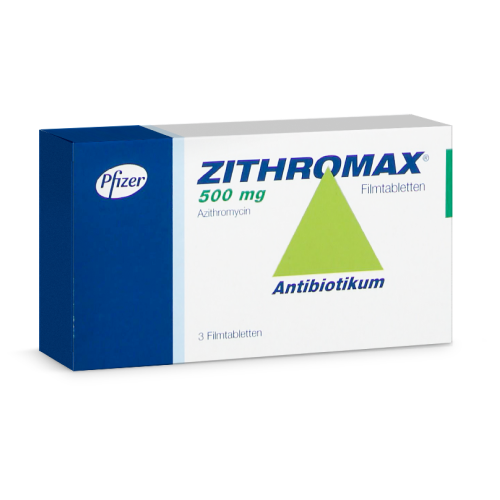
Zithromax (Azithromycin) in the United States: The Expert’s Guide for 2026
Can You Get Zithromax Without a Prescription in the US?
No, purchasing Zithromax (Azithromycin) without a valid prescription is illegal in the United States. Federal and state regulations require a prescription from a licensed healthcare provider for all antibiotic medications, including Zithromax. This is enforced to protect public health, prevent antibiotic misuse, and combat antibiotic resistance. Buying antibiotics from unverified sources is both unsafe and a violation of U.S. law.
Key Facts about Zithromax: Summary Table
| Parameter | Details (2026, United States) |
|---|---|
| Active Ingredient | Azithromycin |
| Drug Category | Macrolide Antibiotic |
| Prescription Required | Yes, by law |
| Typical Adult Dose | 500 mg on day 1, then 250 mg daily for 4 days |
| Onset of Effect | Within 24–48 hours for most infections |
| Main Contraindication | Severe liver disease, known hypersensitivity |
| Insurance Coverage | Usually covered (Medicare, Medicaid, major private insurers) |
| Average Out-of-Pocket Price | $15–$60 per treatment course (2026, varies by pharmacy) |
| Controlled Substance? | No |
All information current as of 2026. For questions about insurance or coverage, consult your local pharmacy or healthcare provider in cities like New York, Los Angeles, or Chicago.
How Does Zithromax Work in the Body?
Zithromax contains azithromycin, a macrolide antibiotic. It works by binding to the 50S ribosomal subunit of susceptible bacteria, inhibiting bacterial protein synthesis. Specifically, it blocks the translocation steps in translation, which means bacteria can’t produce essential proteins and eventually die or stop growing.
Unlike many other antibiotics, azithromycin accumulates inside infected tissues and immune cells, allowing for high local concentrations at the site of infection. This results in a long half-life (about 68 hours in adults), enabling once-daily dosing and shorter treatment courses. Its activity is independent of external triggers—no need for a particular body pH or co-factors.
Metaphor: Imagine bacterial ribosomes as tiny machines. Zithromax throws a wrench into the gears, stopping them from building what the bacteria need to survive.
According to a 2023 meta-analysis (PubMed), azithromycin remains effective for a variety of respiratory, skin, and sexually transmitted infections, though resistance is an increasing concern.
Expert Commentary from Doctor
In my practice, I’ve noticed that patients often expect antibiotics like Zithromax to act instantly. It’s important to understand that symptom relief may take 24–48 hours, and sometimes mild symptoms persist even after bacteria are eliminated. Another issue is stopping the medication early if you feel better—this dramatically increases the risk of resistance and recurrence. Always complete the full course, even if symptoms resolve quickly. Finally, I see confusion about viral infections: Zithromax is useless for colds or flu, and misuse only harms your microbiome and public health.
How Should You Take Zithromax? Complete Dosage Instructions
Standard adult dose (uncomplicated respiratory infections):
- Day 1: 500 mg (two 250 mg tablets or one 500 mg tablet) as a single dose
- Days 2–5: 250 mg once daily
- For some sexually transmitted diseases: 1 g (1000 mg) as a single dose
- For pediatric dosing: Calculated by weight (10 mg/kg on day 1, then 5 mg/kg days 2–5)
Maximum daily dose: Do not exceed 500 mg per day unless directed by your doctor.
Administration: Zithromax may be taken with or without food. Swallow tablets whole with a full glass of water. Do not split or crush tablets unless specified by your pharmacist.
Special populations:
- Elderly: Standard dosing recommended unless severe kidney or liver impairment.
- Renal impairment: Mild to moderate—no adjustment. Severe—use with caution or avoid.
- Hepatic impairment: Contraindicated in severe liver dysfunction.
Missed dose: Take as soon as you remember; if close to next dose, skip missed one. Do not double up.
Duration: Most regimens require 3–5 days. Your doctor’s instructions may differ based on your specific diagnosis.
Peak effect: Therapeutic levels are usually reached within 24–48 hours.
What Is the Effect of Food, Alcohol, and Lifestyle on Zithromax?
- Food
- Food can slightly delay the absorption of Zithromax (FDA), but does not reduce its effectiveness. For the 1 g single-dose regimen, take on an empty stomach if possible.
- Fatty Meals
- High-fat meals may delay the onset of action by up to 1 hour, but final blood levels are not significantly altered.
- Alcohol
- Moderate alcohol (e.g., a standard drink per day) is not strictly contraindicated, but heavy drinking (>2 drinks/day) should be avoided due to increased risk of liver toxicity and gastrointestinal upset.
- Grapefruit Juice
- No clinically significant interaction known with grapefruit juice, unlike some antibiotics. Still, moderation is advised.
- Other Medications
- See Compatibility Check below for a detailed table.
Bottom line: Zithromax is relatively forgiving with respect to food, but always follow your doctor’s specific instructions.
Who Should Not Take Zithromax? Contraindications Explained
| Type | Condition | Explanation |
|---|---|---|
| Absolute | Known allergy to azithromycin, erythromycin, or other macrolides | Risk of life-threatening anaphylaxis |
| Absolute | Severe liver impairment (Child-Pugh C) | Risk of drug accumulation and toxicity |
| Relative | History of QT prolongation or current use of QT-prolonging drugs | Increased risk of dangerous arrhythmias |
| Relative | Myasthenia gravis | May worsen muscle weakness |
| Relative | Severe kidney impairment (eGFR < 10 mL/min) | Potential for accumulation—monitor closely |
After a heart attack: Zithromax may be considered only under cardiologist supervision due to arrhythmia risk.
What Side Effects Are Most Common with Zithromax?
| Frequency | Side Effect | Explanation/Mechanism |
|---|---|---|
| Very Common (>1/10) | Diarrhea, nausea | Due to disturbance of gut flora |
| Common (1/100–1/10) | Abdominal pain, vomiting, headache | GI irritation and mild CNS effects |
| Rare (1/10,000–1/1,000) | Allergic reactions, liver enzyme elevation, hearing changes | Immune response or hepatic metabolism impact |
| Very Rare (<1/10,000) | QT prolongation, torsades de pointes (arrhythmia), severe skin reactions (SJS/TEN) | Electrical conduction or severe immune-mediated skin response |
What to do if you experience side effects:
- Mild (nausea, diarrhea): Stay hydrated and continue medication.
- Severe (rash, shortness of breath, irregular heartbeat): Stop the drug and seek emergency care immediately.
- Any unexpected changes: Contact your healthcare provider for guidance.
Common Patient Mistakes Observed by Doctor
- Stopping the medication early: Many patients quit after 2–3 days if symptoms improve. This increases the risk of relapse and antibiotic resistance. Always finish the full prescribed course.
- Taking with antacids: Some antacids (especially those containing aluminum or magnesium) can interfere with absorption. Wait at least 2 hours after taking Zithromax before using antacids.
- Using for viral infections: Patients sometimes use leftover Zithromax for colds or flu. This is ineffective and dangerous. Only use antibiotics for bacterial infections as prescribed.
- Doubling up after missed dose: Taking two doses at once can increase side effects. Never “catch up” by doubling the dose; skip and continue as directed.
- Sharing medication: Giving your antibiotics to others can cause harm and is illegal. Every infection requires a specific diagnosis and dosing plan.
- Ignoring liver warning signs: Jaundice, dark urine, or severe stomach pain may indicate liver issues. Contact a healthcare professional immediately.
How Does Zithromax Compare to Other Antibiotics? (Table)
| Name (Generic) | Typical Dose | Duration | Coverage | Key Side Effects | Estimated Price (USD, 2026) |
|---|---|---|---|---|---|
| Zithromax (Azithromycin) | 500 mg day 1, 250 mg days 2–5 | 3–5 days | Respiratory, skin, some STIs | GI upset, rare arrhythmia | $15–$60/course |
| Amoxicillin (Generic) | 500 mg every 8–12 hrs | 7–10 days | Respiratory, ENT, urinary | Rash, GI upset, rare allergy | $8–$30/course |
| Doxycycline (Generic) | 100 mg twice daily | 7–14 days | Respiratory, STIs, Lyme | Photosensitivity, GI upset | $10–$35/course |
| Levofloxacin (Generic) | 500 mg once daily | 5–10 days | Respiratory, urinary, skin | Tendon rupture, CNS effects | $20–$85/course |
- Zithromax offers a shorter course and is typically easier to tolerate for most patients.
- However, amoxicillin is often preferred for strep throat unless allergy is present.
- Doxycycline is used for tick-borne illnesses but should be avoided in children under 8.
- Levofloxacin is reserved for more severe or resistant infections due to serious side effect risk.
Bottom line: Always discuss with your healthcare provider which antibiotic is most suitable for your infection and medical history.
Questions Frequently Asked to Doctor
-
Can I take Zithromax with my blood pressure medication?
Generally, Zithromax is compatible with most antihypertensives, but drugs that affect heart rhythm (such as amiodarone or sotalol) may interact. Always disclose all medications to your provider for a tailored assessment. -
What if I miss a dose?
Take the missed dose as soon as possible. If it’s nearly time for your next dose, skip the missed one—never double up. Complete the course as prescribed. -
Is it safe to use Zithromax if I have liver problems?
Mild to moderate liver impairment may allow for cautious use, but do not use Zithromax if you have severe liver disease. Your prescribing doctor should review your liver function tests first. -
Can I drink alcohol during treatment?
Moderate alcohol is usually safe, but large quantities may worsen side effects or impair liver function. It’s prudent to minimize or avoid alcohol while on Zithromax. -
Is Zithromax safe in pregnancy and breastfeeding?
Azithromycin is considered relatively safe in pregnancy (Category B in the US), but only use if prescribed. It is excreted in breast milk, so inform your doctor if breastfeeding. -
Can children take Zithromax?
Yes, with weight-based dosing. The pediatric formulation (oral suspension) is commonly used for ear infections and pneumonia. Dosing must always be determined by a pediatrician. -
Is long-term use safe?
Prolonged use (weeks or months) is discouraged due to risk of liver toxicity, hearing problems, and antibiotic resistance. Only short courses are generally recommended, except in special chronic conditions under specialist supervision.
Zithromax: Key Parameters Table
| Parameter | Value |
|---|---|
| Bioavailability (oral) | 37% (due to first-pass metabolism) |
| Half-life (T1/2) | ~68 hours (adults) |
| Metabolism | Primarily hepatic (liver) |
| Excretion | Biliary (liver), minor renal |
| Driving/Operating Machinery | No major effect, but dizziness may occur |
How to Obtain Zithromax Legally in the United States: Step-by-Step
-
Schedule a medical consultation:
- In person: Visit your primary care provider, urgent care, or infectious disease specialist.
- Telemedicine: Many states (e.g., California, Texas, Florida) allow secure video or phone visits for minor infections; check local laws.
- Assessment and diagnosis: The healthcare provider will evaluate your symptoms, possibly perform diagnostic tests, and determine if an antibiotic is needed.
- Prescription issued: If appropriate, a prescription for Zithromax will be provided electronically or by paper.
-
Choose a licensed pharmacy:
- Retail: CVS, Walgreens, Rite Aid, hospital pharmacies, and local options in cities nationwide.
- Online: Only use verified U.S. pharmacies (see Is It Legal to Buy Zithromax Online?).
- Pick up or arrange delivery: Most pharmacies offer same-day pickup and reliable delivery options with proof of identity and valid prescription.
- Insurance/reimbursement: Present your insurance or Medicare/Medicaid card to reduce out-of-pocket cost.
Tip: Never attempt to import Zithromax from international websites; your package may be seized by U.S. Customs and you could face legal penalties.
Is It Legal to Buy Zithromax Online in the United States?
Legal only with a valid prescription from a U.S.-licensed provider and via a licensed U.S. pharmacy. Look for the “.pharmacy” certification (from the National Association of Boards of Pharmacy) or state pharmacy registration.
- Risks of unverified sites: Counterfeit drugs, legal penalties, identity theft.
- Signs of a trustworthy pharmacy: Always requires a prescription, provides pharmacist support, and displays a U.S. contact address and phone number.
- NEVER buy Zithromax from sources that do not require a prescription or offer “no prescription needed” deals.
How to Spot Counterfeit Zithromax? Authenticity and Generics Guide
Original Zithromax:
- Manufactured by Pfizer (U.S. brand); generics by Teva, Sandoz, Mylan, and others.
- Blister packs or bottles with clearly printed lot number, expiration date, and NDC number (national drug code).
- Tablets: White, oval or oblong, with “Pfizer” engraving or generic code.
- Official U.S. packaging includes FDA-required barcodes or QR codes for verification.
- Patient information leaflet in English.
- Unusually low price or “bulk” offers.
- Packaging in foreign language or missing FDA markings.
- Poor printing, no lot/expiry date, or altered pill shape/color.
- FDA-approved generics contain the same active ingredient and meet the same quality/safety standards as the original Zithromax.
- Inactive ingredients (excipients) may differ and can occasionally cause allergic reactions; review the package insert if you have known allergies.
- Check for Pfizer or FDA-approved generic branding, correct logos, and NDC number.
- Use the pharmacy’s verification tools (QR/barcode scanning apps) if available.
- If in doubt, consult your pharmacist in person or by phone before taking the medication.
Compatibility Check: Zithromax with Other Drugs
| Medication/Product | Can It Be Combined? | Possible Consequences |
|---|---|---|
| Aspirin/paracetamol | Yes | No significant interaction |
| Warfarin | Caution | Monitor INR for increased bleeding risk |
| Antacids (aluminum/magnesium) | No (within 2 hours) | Reduces Zithromax absorption |
| Simvastatin/lovastatin | Yes, but rare risk | Rare: muscle toxicity (rhabdomyolysis) |
| QT-prolonging meds (amiodarone, sotalol) | STRICTLY NO | Life-threatening arrhythmia risk |
| Oral contraceptives | Yes | No interaction |
How Is Zithromax Processed and Eliminated from the Body?
After oral administration, Zithromax is absorbed in the gut and achieves peak plasma concentrations in about 2–3 hours. It is extensively distributed to tissues—levels in respiratory tract, tonsils, and skin can be much higher than in blood. Metabolism occurs mainly in the liver, with a half-life of about 68 hours in adults.
Elimination is primarily via bile into the feces, with only a small proportion excreted by the kidneys (FDA). This is why patients with severe liver impairment must avoid the drug, but those with moderate kidney disease can often use it safely.
In short: Zithromax “hangs around” in the body much longer than other antibiotics, which is why you only need to take it for a few days.
Special Populations: Elderly, Children, Pregnancy, and Chronic Conditions
- Elderly: No routine dose adjustment needed, but monitor for cardiac side effects, especially if using other QT-prolonging drugs.
- Pediatrics: Used widely, dosing by weight (consult pediatrician). Avoid in infants under 6 months.
- Pregnancy: Generally safe (Category B), but only if benefits outweigh risks. Not linked to birth defects in human studies.
- Breastfeeding: Small amounts pass into breast milk. Usually considered compatible, but watch for diarrhea or rash in infants.
- Chronic liver disease: Contraindicated in severe cases.
- Renal impairment: Mild or moderate—no adjustment. Severe—monitor closely.
- Fertility: No evidence of adverse effects on fertility in men or women.
- Operating vehicles/machinery: Dizziness is rare but possible. Use caution if experiencing this effect.
What Should I Do in Case of Overdose?
- Stop taking Zithromax immediately.
- Contact Poison Control (1-800-222-1222) or call 911 in the United States without delay.
- Tell emergency services the exact dose and time taken, along with any symptoms (e.g., severe nausea, hearing changes, palpitations).
- Do not attempt self-treatment or induce vomiting unless instructed by a medical professional.
- Bring the medication packaging and any remaining tablets with you.
What Should I Do If Zithromax Does Not Work?
If you do not notice improvement after 3 days of taking Zithromax, or your symptoms worsen, contact your doctor. Possible reasons include:
- Infection by bacteria resistant to azithromycin
- Incorrect diagnosis (e.g., viral infection instead of bacterial)
- Poor absorption due to gut problems or drug interactions
- Lack of adherence to dosing schedule
Myth vs Reality: Zithromax Use
- Myth: Zithromax can treat any infection, even the common cold or flu.
- Reality: Zithromax only works against certain bacterial infections. It is ineffective for viruses.
- Myth: A shorter course means it’s less powerful.
- Reality: The long half-life and tissue penetration mean even 3–5 day courses are highly effective for most indications.
- Myth: Generics are lower quality than the brand.
- Reality: FDA-approved generics are tested for the same quality, safety, and effectiveness.
Psychological Support: Facing Infection and Treatment
Facing a bacterial infection can be stressful, but you are not alone—these conditions are common and manageable. Don’t be embarrassed to discuss your symptoms or concerns with your healthcare provider. Addressing all aspects, including mental well-being and support from family or friends, is an important part of recovery.
Professional Opinion of Doctor
In my experience, Zithromax is most beneficial for patients with mild-to-moderate respiratory tract infections, certain sexually transmitted infections, and specific skin conditions. Its short course and low side effect profile make it a preferred option when used appropriately. However, it’s not a “catch-all” antibiotic and should not be prescribed for viral illnesses. The rise of resistant bacteria means we must use Zithromax judiciously and always confirm the diagnosis. For patients with serious heart or liver conditions, or those already on drugs that may interact, alternatives such as doxycycline or amoxicillin may be safer. Ultimately, the benefit-risk ratio must be weighed individually, and antibiotics should always be part of a comprehensive treatment approach rather than a sole solution.
FAQ: Zithromax in the United States
- Is Zithromax available over the counter in the US?
- No, a prescription from a licensed healthcare provider is required by law.
- How much does a typical course of Zithromax cost?
- Depending on insurance and pharmacy, most courses cost $15–$60 out of pocket (2026 data).
- Can Zithromax be taken with food?
- Yes, although very fatty meals may delay absorption slightly. It’s effective either way.
- What infections is Zithromax used for?
- It is used for respiratory tract, skin, certain sexually transmitted, and some ear infections.
- Are generic versions of Zithromax as good as the branded product?
- Yes, FDA-approved generics are equivalent in quality, safety, and efficacy to Zithromax.
- Can I stop Zithromax if I feel better after two days?
- No. Always complete the full prescribed course to avoid recurrence and resistance.
- Does Zithromax interact with birth control pills?
- No known interaction. Contraceptive effectiveness is preserved.
- Is it safe to use Zithromax for COVID-19?
- No. Azithromycin has not shown consistent clinical benefit for COVID-19 and is not recommended for this use unless prescribed for a secondary bacterial infection.
- How quickly does Zithromax start working?
- Most patients notice improvement within 24–48 hours.
- What should I do if I suspect a counterfeit Zithromax tablet?
- Do not use it. Contact your pharmacist and report the product to the FDA or your state board of pharmacy.
References
- U.S. Food & Drug Administration (FDA) – Drug Information
- Centers for Disease Control and Prevention (CDC): Antibiotic Use
- National Association of Boards of Pharmacy – Verified Pharmacies
- Mayo Clinic – Azithromycin Overview
- PubMed – Clinical Studies on Azithromycin
- FDA Label for Zithromax
- FDA MedWatch: Adverse Event Reporting
- ClinicalTrials.gov – Azithromycin Research
If you have concerns about infection, antibiotic therapy, or Zithromax specifically, always consult a board-certified infectious disease specialist or pharmacist in your city. For personalized care, telemedicine and in-person consultations are available nationwide.